Previous Massimo Grattarola Award Winners

Winner 2024

University of Pisa

Using Cortical Organoids to Understand How the WDR62 Gene Affects Neuronal Function and Connectivity

Can you briefly describe your research and what inspired you to pursue this field of study?
My research mainly concerns human neural development and its alterations. I have been working on different aspects of this field, but my main focus is genetic microcephaly. I have always been deeply intrigued by the fact that even the smallest alteration, or the slight change in an apparently minor molecular pathway, is able to affect the formation and the functioning of the organ that makes us human.

What are some of the biggest challenges you face in your work, and how does the Massimo Grattarola Award help achieve them?
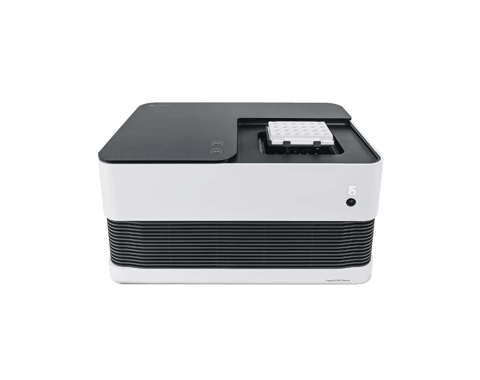
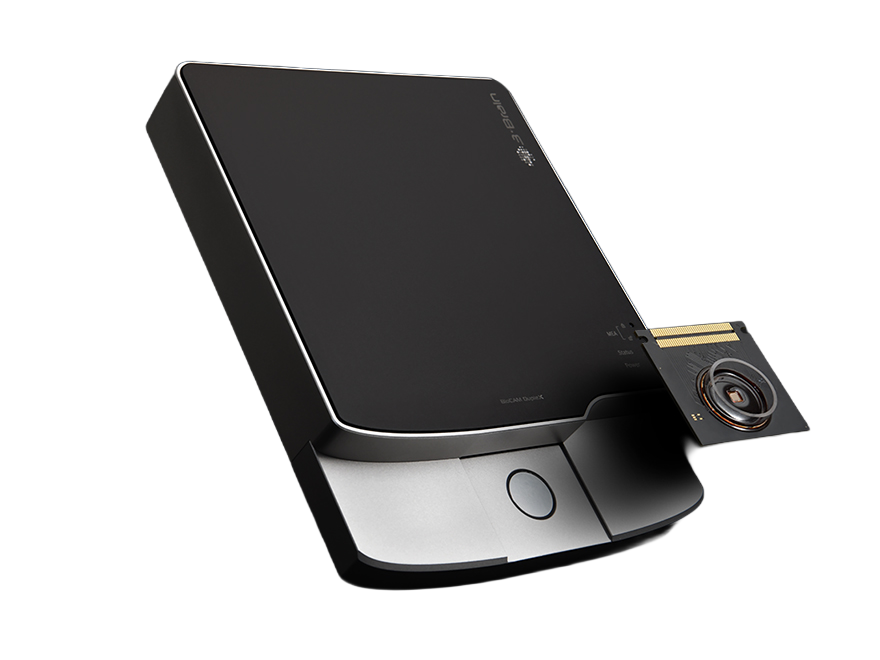
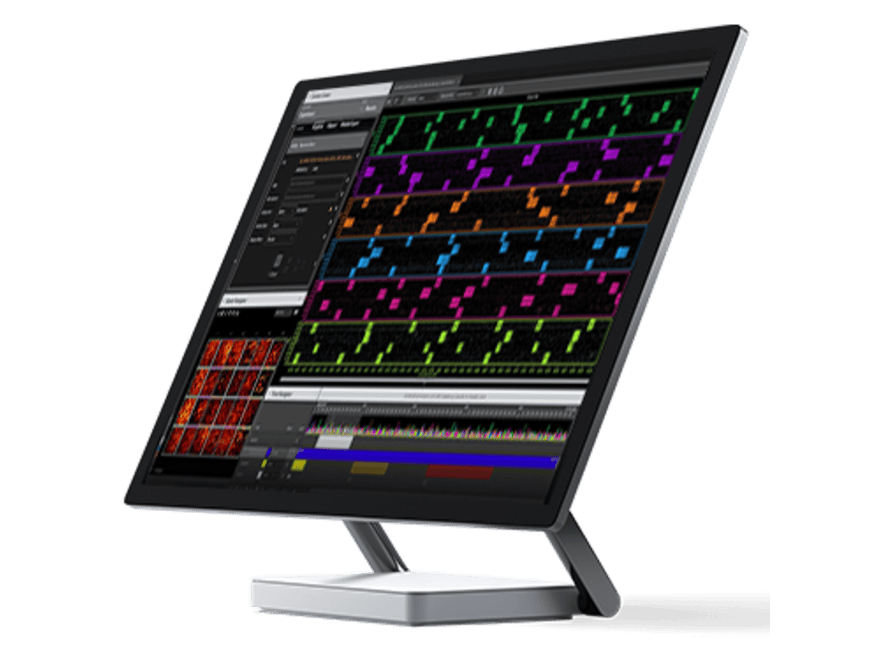
I think that the biggest challenge in studying human brain development is the practical and ethical inaccessibility of the human brain itself. To this, many models have been and are currently developed in trying to recreate the most accurate in vitro platforms of human developing nervous system – but there is still a long way due to its huge structural and functional complexity. With the Massimo Grattarola Award, there will be the chance to test and challenge one of the current gold standard in vitro models (i.e., brain organoids) from a functional point of view with an innovative platform (3Brain) stimulating and recording 3D neuronal networks. With this setting, it might be possible to dissect complex and multiple functional features (and the potential alterations) of the developing human brain.

How do you envision the outcomes of your research impacting your field?
In the context of genetic microcephaly, little is known about the functional neuronal alterations during development. By coupling mutant organoids with 3Brain technology we may highlight the impact of the microcephaly-causing mutations in neuronal architecture and projections as well as neuronal function. These findings, coupled with cellular and molecular analysis, will constitute a starting point to interrogating the overarching molecular logic in genetic microcephaly, and could pave the way for potential treatments.

What advice would you give to future researchers who may be interested in applying for the Massimo Grattarola Award?
I think that the best approach for this application might be: “keep it simple”. Meaning, solid project background and/or clear preliminary data can help to focus on the biological question that needs to be addressed by taking advantage of the 3Brain technology. This will surely help in proposing a straight to the point approach.

Winner 2023

Harvard University

The impact of autism spectrum disorder risk gene mutations on developing human circuits using brain organoids

"I am truly honored to receive the Massimo Grattarola award, and I want to extend my heart felt thanks to the distinguished jury for selecting my project. The opportunity to discuss my research with the jury and the talented finalists was a remarkable experience. I would also like to express my deep appreciation to my supportive lab mates, whose contributions have been invaluable.

In my project, I investigate the impact of autism spectrum disorder risk gene mutations on developing human circuits using brain organoids. Multi-electrode array recordings offer an ideal approach for high-resolution and high-throughput characterization of these circuits. This award provides me with the opportunity to further explore this avenue and gives me flexibility to try new approaches and expand my project."

Winner 2022

University of Cagliari

The role of neuron-glioblastoma interactions in tumor growth and how to disrupt them using electrical stimulation

"I am very honored to receive this award and I would like to take the opportunity here to thank you all for giving me the chance to present my work and the evaluating committee to appreciate and giving me constructive feedback on the current stage of my project.

This is my very first award as a PI and even prior to the monetary price that comes with it, it has as an incredible motivational boost considering the challenges a researcher has to face when translating his expertise into a very different field of investigation. The Award will allow my group to buy all the necessary equipment to complete the first piece of research we have conducted during this first year. So a strong help on many sides for my young lab. "

Winner 2021

Université de Nantes

The interaction between the gut microbiota and the enteric nervous system in autism spectrum disorders

"I am very honored to have received this award and would like to thank 3Brain and the members of the Massimo Grattarola award committee for choosing my project.

This award will greatly help me to initiate my research project in the lab. In addition, with this award, I will also be able to develop the electrophysiology approaches in the lab and in particular the MultiElectrode Array for the study of enteric neuronal networks. "