Introducing a fully bi-directional microelectrode array platform for 2D and 3D in vitro imaging

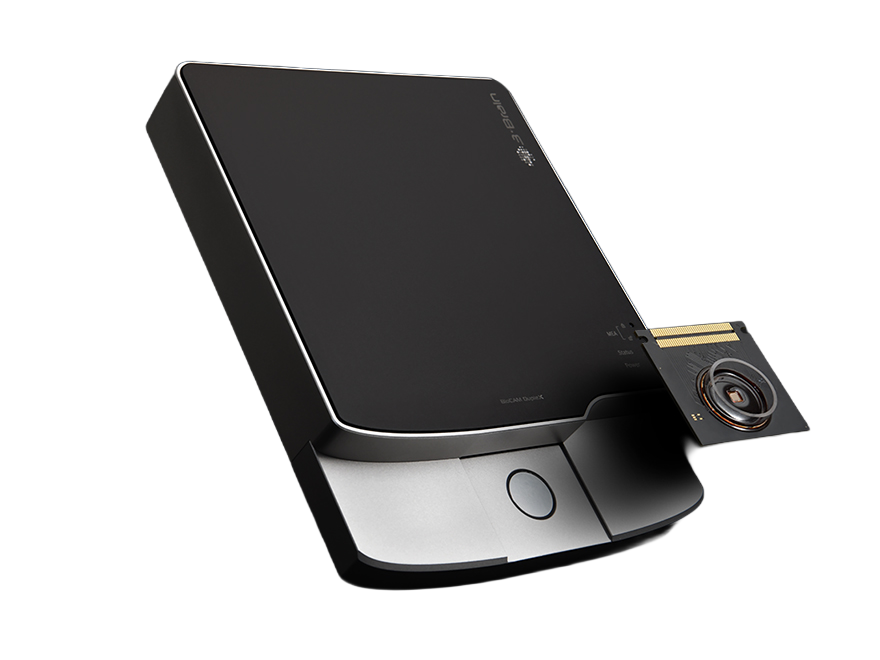
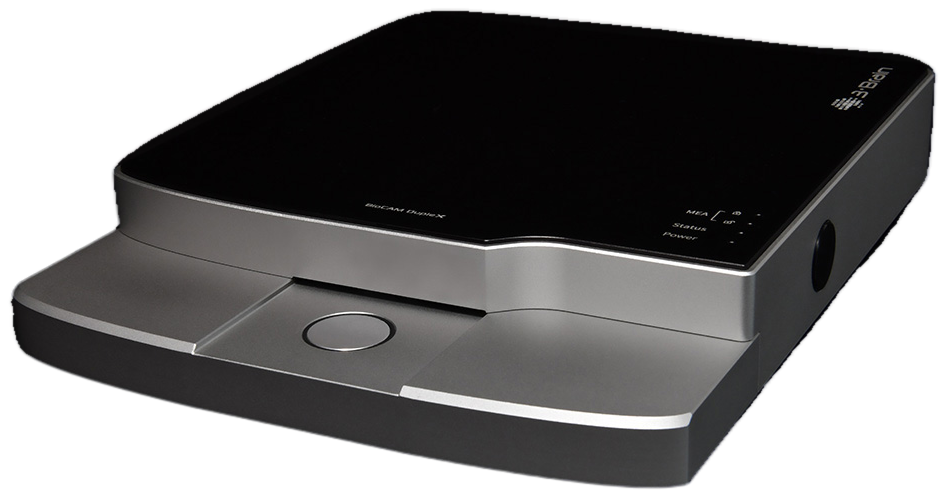
BioCAM DupleX is a state-of-the-art, high-resolution microelectrode array (also known as multielectrode array) platform for powerful in vitro functional imaging.
Its bidirectional electrodes make it possible to simultaneously record high-density electrophysiological data at 20 kHz and induce electrical neural network stimulation from any of the 4 096 microelectrodes.
This advanced platform works with both classical planar 2D cell culture as well as our innovative 3D HD-MEA technology.
The BioCAM DupleX is compatible with our latest generation of Khíron chips, which feature 4 096 µNeedle electrodes to penetrate structured brain tissues and obtain signals from inside your biological models such as slices, organoids, or spheroids.

BioCAM DupleX is the result of 15 years of research and development, embodying our experience in bioengineering high-density microelectrode array (HD-MEA) devices, electrophysiology, data processing and biological models.
It is electrophysiology at its best.
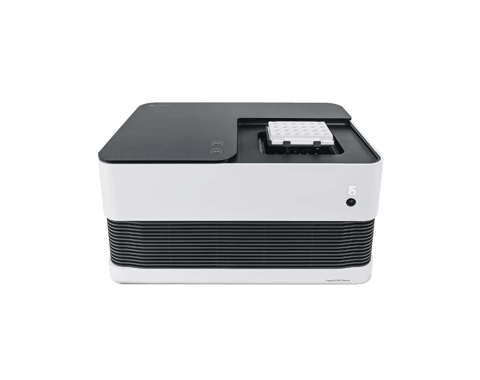
BioCAM Idea
2004
BioCAM 4096
2012
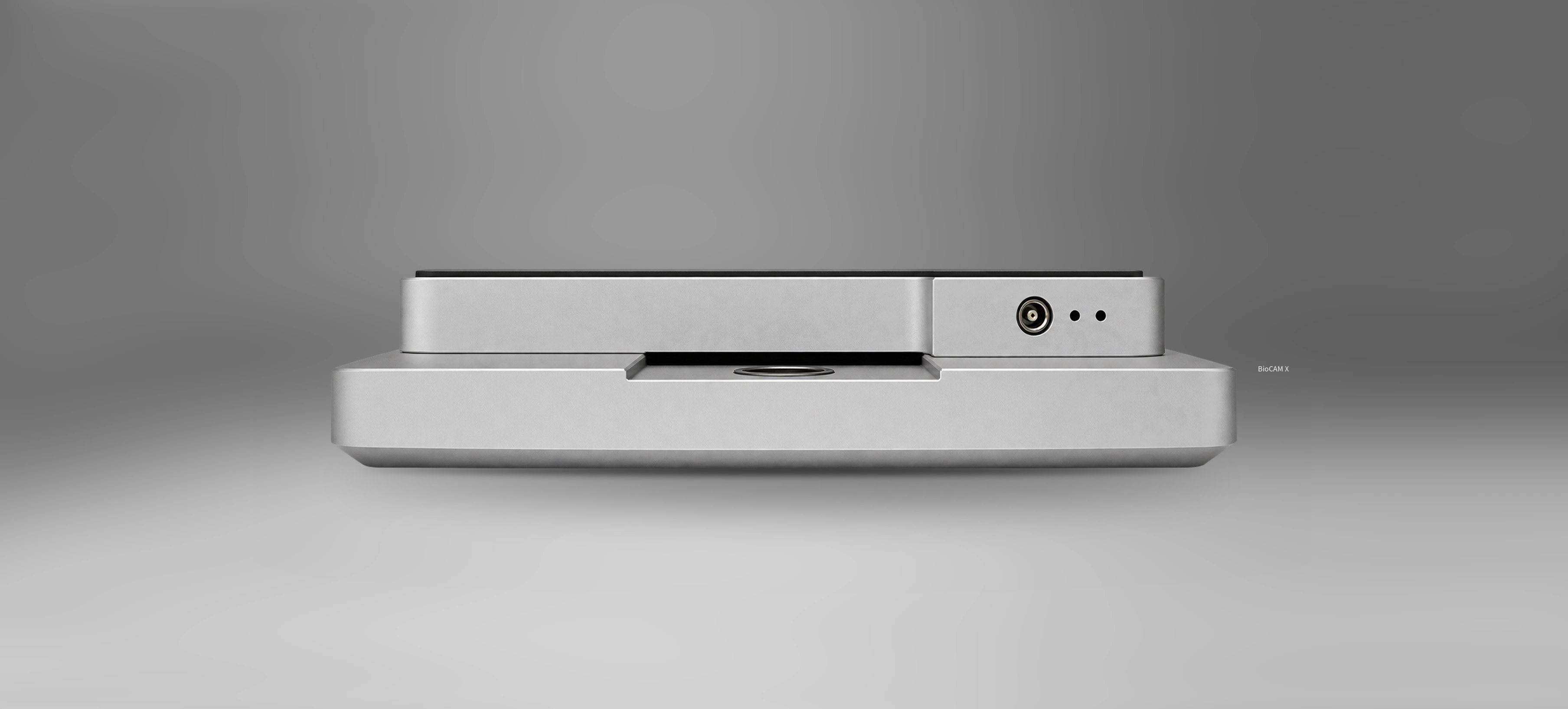
BioCAM X
2015
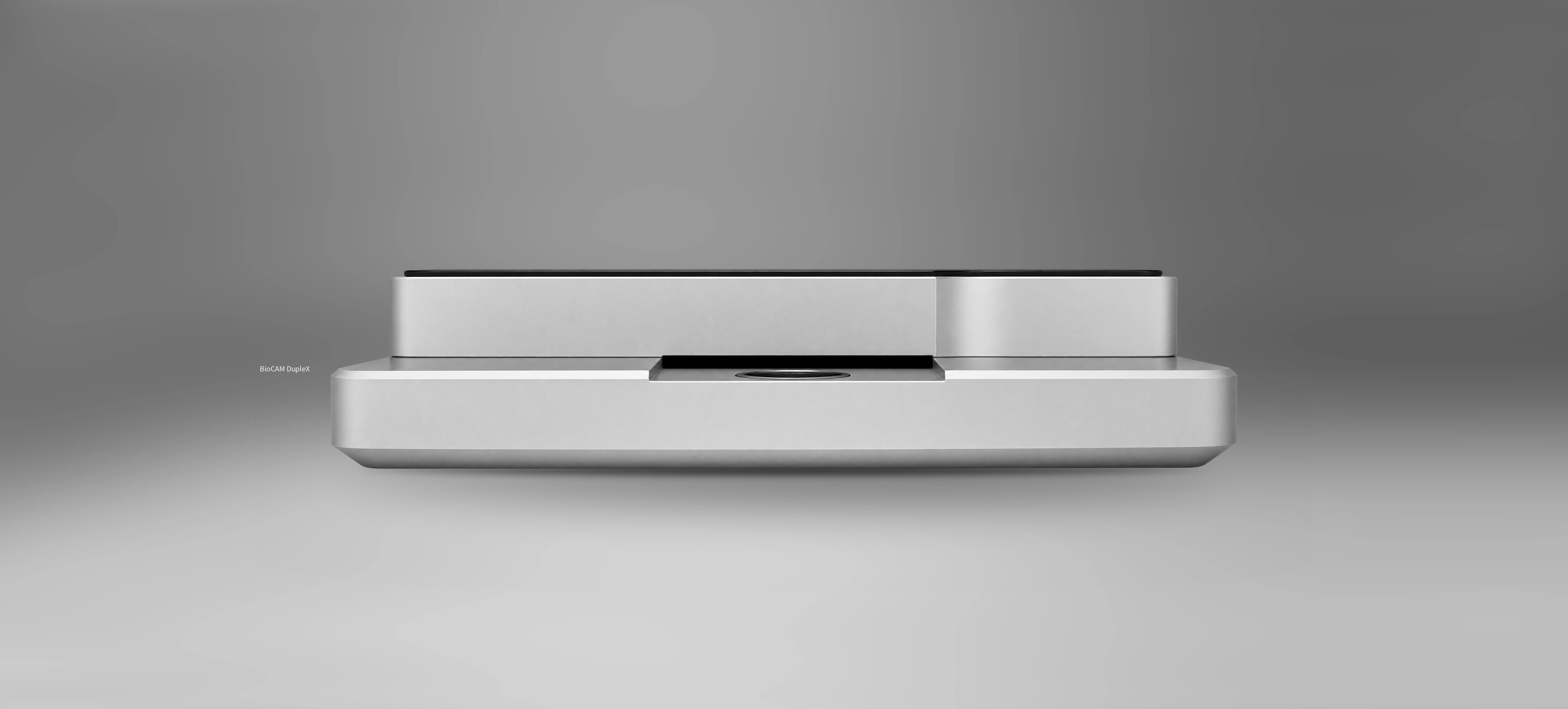
BioCAM DupleX
2019
The BioCAM DupleX is the first HD-MEA platform that is able to power 3D HD-MEAs (CorePlateTM 1W-3D 38/60/90).
With CorePlate™ 1W-3D 38/60/90, the BioCAM DupleX can simultaneously record and stimulate from all 4 096 microelectrodes structured in a penetrating µNeedle grid.
These revolutionary µNeedle electrodes access information from inside all kinds of tissues – such as slices, organoids, spheroids and scaffolded 3D cultures – without damaging them. This makes the BioCAM DupleX the only platform for high-resolution in vitro 3D functional imaging.
Complex electrophysiology setups, where the wiring of a single electrode to the amplifier can significantly change the noise level and impair the experiment, or where the interpretation of the signals coming from your setup is restricted to electrophysiological experts, are now a distant memory.
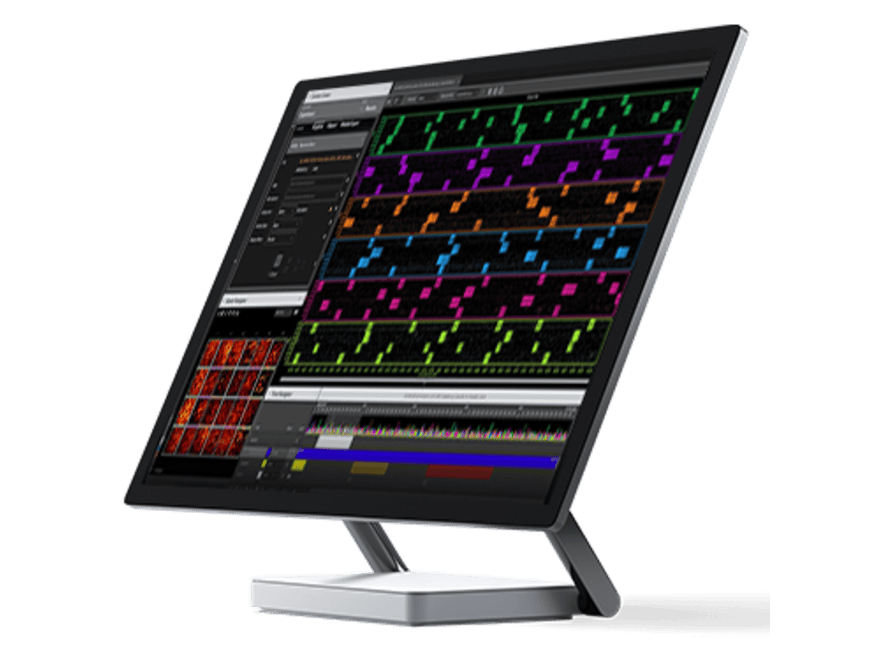
BioCAM DupleX makes setup as easy as possible by automating important settings and optimizing noise, thus making electrophysiology accessible to everyone. Complex electrophysiological traces are then converted into microscopy-like, easy-to-understand, fast-to-process functional images.


When paired with CorePlate™1W 38/60 or 1W-3D 38/60/90, the BioCAM DupleX can use any of the recording sites to release an electrical stimulus, thus making it a fully bidirectional platform.
Coupled with BrainWave, our unique integrated software for recording, stimulation and real-time processing, BioCAM DupleX is the perfect solution for easily setting up complex experiments. Study functional connectivity, information processing or complex behaviors like learning and memory in neuronal networks – all without the need for external stimulating electrodes or third-party electronics.
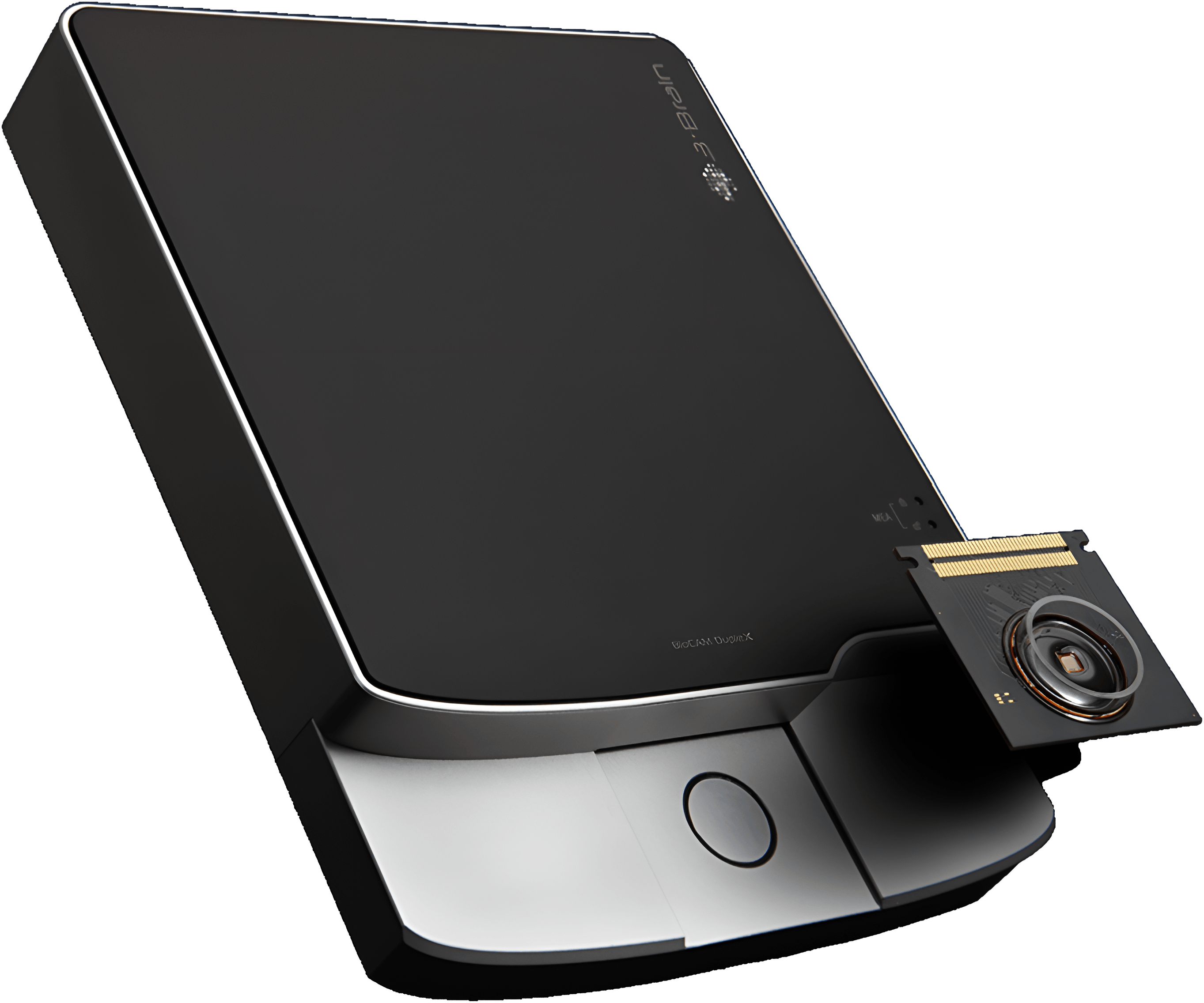
After inserting CorePlate™ into the BioCAM DupleX, the motorized locking mechanism activates with a simple press of the lock button to enable precise contact and alignment. The system automatically recognizes the CorePlate™ and is ready to acquire data.


A convenient set of LED lights shows when the BioCAM DupleX is powered on, whether CorePlate™ is locked in and when the system is recording.


The BioCAM DupleX features an integrated reference electrode for CorePlate™ in order to simplify the experimental procedure, reducing the risk of contamination, interference noise and accidental spills of media.
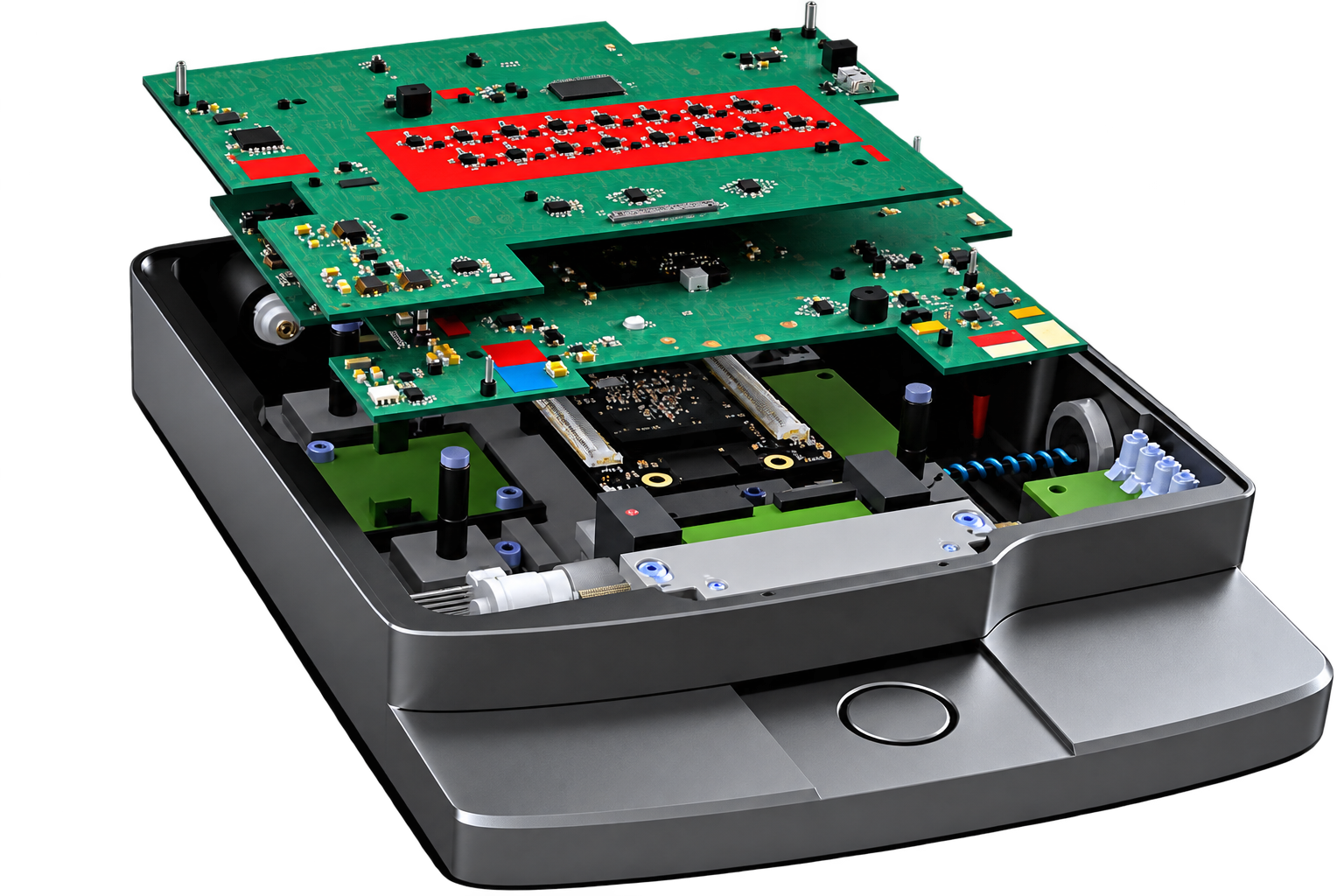
Advanced FPGA control to denoise, filter and compress high-density data
Magnetic surfaces are present on the front of the BioCAM DupleX for easy setup with other equipment, such as perfusion holders
Integrated heating and cooling system


2 independently programmable current stimulator channels
A motorized solution to reliably lock and unlock CorePlate™
Crafted from aluminum to shield from electromagnetic and mechanical interference

An interactive version of this section is available on desktop PCs.
Advanced FPGA control to denoise, filter and compress high-density data
All the surfaces around the MEA chip are magnetic for easy setup with other equipment, such as perfusion holders
Integrated heating and cooling system
4 independently programmable current stimulator channels
A motorized solution to reliably lock and unlock your microelectrode array (MEA) chips
Crafted from aluminium to shield from electromagnetic and mechanical noise
The BioCAM DupleX high-resolution microelectrode array (HD-MEA) platform is packed with features to enrich your research. At the same time, its small footprint makes for easy integration with instruments like microscope and perfusion or patch-clamp systems.
W 230 mm/9.1 in
D 180 mm/7.1 in
H 42 mm/1.7 in


Computational core
Intel®'s Arria® 10 FPGA 13Gbps, 2GB DDR4,
and ARM® dual-core Cortex™-A9 1.5 GHz
HD-MEA compatibility
CorePlate™ 1W 27/42, CorePlate 1W 27/42L, CorePlate™ 1W 51/81 (not for stimulation), CorePlate™ 1W 38/60
3D HD-MEA compatibility
CorePlate™ 1W-3D 38/60/90 (firmware upgrade required)
Max number of simultaneous recording wells
1
Max number of simultaneous recording channels
4 096 @ 20 kHz
Data resolution
12 bit
Electrode subset recording
Yes, up to 4 independent user-defined regions
Max sampling frequency
64 kHz
Stimulus generator
Integrated Current Stimulator
Time resolution
10 µs
Number of independent stimulation channels
1
Amplitude resolution
10 µA
Real-time adaptive stimulation
Yes (by means of provided API)
Maximum amplitude
+/- 1 mA
Internal (on-chip) stimulation sites
4 096 (only with CorePlate™ 1W 38/60 and CorePlate™ 1W-3D 38/60/90)
External stimulation sites
1 (via optional IO Connector Box)
Body material
19 VDC, 3 A [1]
Power supply requirements
Anodized aluminum and stainless steel
Dimensions (W × D × H)
230 × 180 × 42 mm (9.1 × 7.1 × 1.7 in)
Weight
1.9 kg (4.2 lbs)
Gross weight (with box, accessories...)
3.7 kg (8.2 lbs)
Notes:
[1] Powered via external AC/DC power adapter (included)